
Cherry Bomb Comics PresentsThe Mechanism
Horror. Mythology. Storytelling. Exploring the ideas behind the worlds we build and the monsters we keep returning to.
Horror Doesn't Build Characters. It Builds Places.
Hello all, somebody at Cherry Bomb actually asked me to sit down and write this one — and I said yes before I'd finished reading the request. Because it's the argument I have with myself every single day at the drawing table, usually around panel three, usually right when I'm deciding whether the room matters more than the thing standing in it. Turns out it does. Let's talk about why.
Ask a horror fan to name their favorite monster and they'll answer instantly. Ask them where it lived, and watch them light up even more.
That's the tell. The villain is the headline. The place is the memory.
Derry doesn't work because of one clown in a storm drain. Derry works because the entire town participates — the adults who look away, the history that repeats every twenty-seven years like clockwork, the sewers underneath the surface everyone pretends isn't there. Pennywise is terrifying. Derry is the reason he never had to leave.
Silent Hill is the purest version of this. Take away the nurses, the cult, every specific horror the franchise ever put a name to, and the fog is still there. The sirens are still there. The town still folds into whichever hell fits the person wandering through it. Silent Hill isn't scary because of what's in it. Silent Hill is the scare.
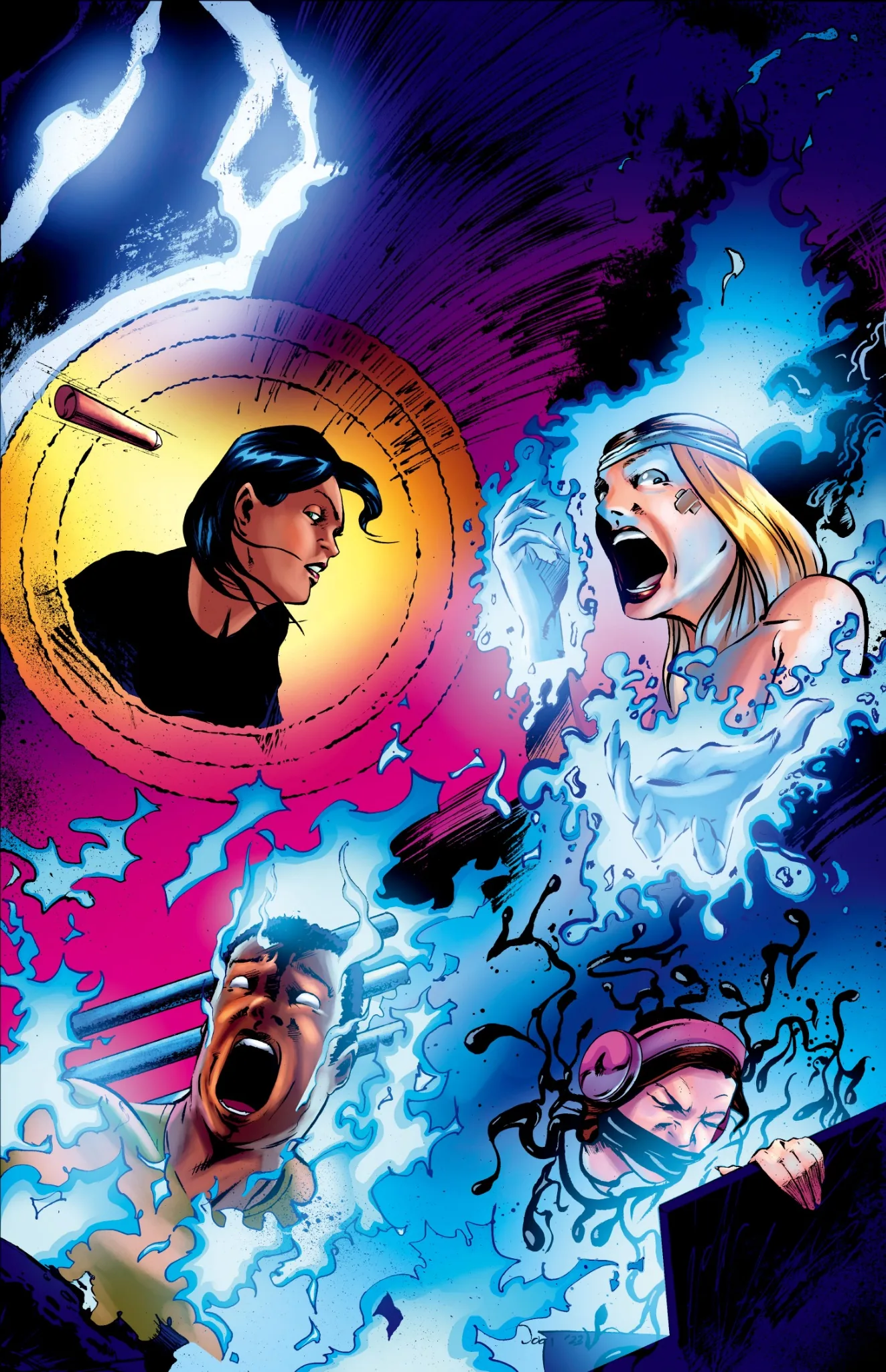
Twin Peaks never really explained itself, and that's exactly why people are still arguing about it decades later. The Black Lodge, the Red Room, the woods around that town — the geography carries more unresolved dread than any single character the show ever introduced, Killer BOB included. You don't remember Twin Peaks as a story about a murder. You remember it as a place that had a murder happen to it.
The Backrooms didn't even start with a story. It started with a photograph of an empty office and a caption that said the wrong wallpaper and too much fluorescent light was enough. No monster. No name. No script. Just a room that felt like it had noticed you before you noticed it — and an entire internet mythology grew out of that single feeling, because a place doesn't need a plot to be remembered. It just needs to be wrong in a way you can't quite name.
The Overlook Hotel has a ballroom, a hedge maze, and a bar that serves drinks that were never poured. It does not need Jack Torrance to be haunted. Jack is a symptom. The hotel is the disease, and it was working on people for decades before he checked in and it'll be working on the next family too.
Hill House doesn't even bother with a monster. The house itself is born bad, as the story goes — every angle wrong on purpose, built by a man who apparently wanted it that way. No creature ever appears. The architecture does all the work. That's the entire argument in one haunted floor plan: horror doesn't need a villain if the geography is doing its job.
Here's the mechanism once you stop counting monsters and start reading maps: the place is the character that never leaves. Villains die, get defeated, get rebooted, get recast. The location survives every single version of the story, because it was never really about who was standing in the room. It was about the room.
That's the ground The Brooding Muse Universe is built on — literally. The Marrow Wastelands isn't a set piece dressing up whatever walks through it. It's the thing that was there first, the thing that keeps accumulating whatever gets left behind, the thing that doesn't reset when a new face shows up wearing this decade's fear. Characters pass through. The place remembers all of them, keeps what it's owed, and doesn't forgive quietly. That's not a backdrop. That's the point.
The monster checks out eventually. The place never does.
Resident artist James Michael has helped shape the visual identity of The Brooding Muse Universe through his work on Dig Up! and The Jacket Book One, arriving early 2027.