
Cherry Bomb Comics PresentsThe Mechanism
Horror. Mythology. Storytelling. Exploring the ideas behind the worlds we build and the monsters we keep returning to.
Why We Keep Returning to Monsters
We don't outgrow monsters. We just meet new ones.
That's the part horror fans understand and everybody else keeps getting wrong. The assumption is that fear is childish — something you age out of, like a nightlight. But go back and look at what actually happens to a monster that survives more than one generation. It doesn't get retired. It gets translated.
Freddy Krueger wasn't really about a man with knives for fingers. He was about the one place a kid is supposed to be safe — sleep — turning hostile. Pull that thread forward forty years and it hasn't gone anywhere; it just changed address. Sleep paralysis videos, dream-logic horror, the entire "what if rest itself betrayed you" subgenre — that's Krueger's grandchildren, whether or not anyone credits him.
Pennywise works the same way. Underneath the makeup, the actual mechanism is: the thing that hurts you wears the shape of the thing that's supposed to delight you. A circus performer. A children's entertainer. That idea didn't die when the miniseries ended — it just kept finding new skins. Every "friendly mascot horror" story since is running the same circuitry Pennywise ran, whether it knows it or not.
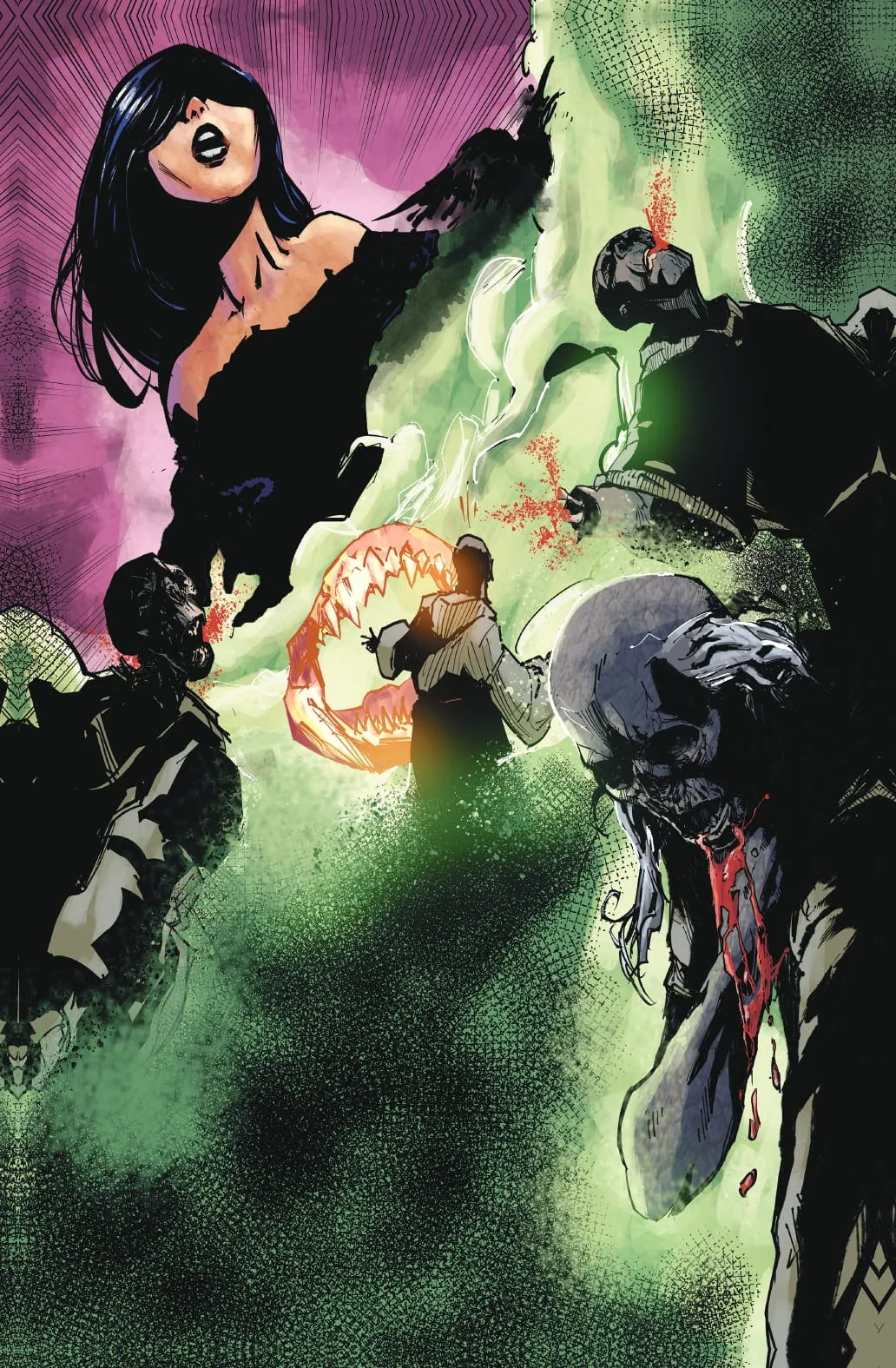
Nosferatu is older than both of them and somehow the most durable. Not because vampires are timeless — vampires get reinvented every decade into something almost unrecognizable — but because the shadow on the wall climbing the stairs toward someone who can't move is one of the purest images fear has ever produced. Strip away the fangs, the cape, the whole Gothic apparatus, and that shape still works. It's not costume. It's architecture.
Candyman is maybe the clearest case, because the mechanism is stated outright: say the name and the monster arrives. That's not a jump scare mechanic. That's a thesis about how communities carry trauma forward through repetition — how saying a thing keeps it alive whether you want it kept alive or not. Forty years from now, whatever we're calling horror by then, something is still going to run on "the act of remembering summons the thing you remember."
Here's the pattern once you stop looking at costumes and start looking at mechanisms: the monster is never really the monster. It's the delivery system for something true that's too big to say directly. Sleep can betray you. Delight can be a mask. Stillness can mean you're already being watched. Memory can resurrect what you were trying to bury. Those aren't Freddy's problem, or Pennywise's, or Nosferatu's, or Candyman's. They're everyone's problem, always, in every era — and the monster is just whatever face fear is wearing this decade to say so out loud.
That's why monsters don't die when their movies leave theaters. The specific creature retires. The mechanism underneath it gets inherited by the next thing wearing a different face for a different generation scared of the same handful of true things.
It's also why the good horror worlds — the ones people keep returning to for decades instead of just watching once — tend to be less interested in inventing a new monster than in understanding which mechanism they're actually running. A world that knows what it's about, underneath the makeup, doesn't need a new gimmick every volume. It just needs to keep telling the truth about the thing it was always about, in whatever shape that truth needs to wear next.
That's the philosophy The Brooding Muse Universe has been built around from the start — not "what's the next monster," but "what's the mechanism this world is telling the truth about, and what face does it need to wear this time." The creatures change. The place doesn't move. Nothing that happens there resets; it accumulates, the way a world remembers instead of forgetting — and doesn't forgive quietly, either. The story keeps carrying forward what came before it instead of starting over. That's what makes a world worth returning to instead of a scare worth having once.
The monster was never the point. It never is. It's just how the truth gets in the door.
Resident artist James Michael has helped shape the visual identity of The Brooding Muse Universe through his work on Dig Up! and The Jacket Book One, arriving early 2027.