
Cherry Bomb Comics PresentsThe Mechanism
Horror. Mythology. Storytelling. Exploring the ideas behind the worlds we build and the monsters we keep returning to.
Horror Doesn't Build Scares.
It Builds People.
You can't remember the kill count from a horror story ten years after you closed the book. You can still remember exactly how the villain breathed.
Ask a horror fan to name their favorite scare and they'll hesitate. Ask them to name their favorite character and the answer arrives before you finish the question.
That's not an accident, and it isn't really about horror at all — it's about how memory works. A scare is an event. It happens to you once, spikes your pulse, and your brain files it away and moves on. A character isn't an event. A character is a relationship, and relationships are the one thing memory refuses to let go of.
I used to think the job was to make something scary. Turns out the job is to make something knowable — knowable enough that the reader starts predicting it, and wrong enough about those predictions that the ground keeps shifting under them. That gap, between what you think you know about a character and what they actually do next, is where the real dread lives. Not in the reveal. In the relationship.
Think about the horror characters who actually stayed with you. Not the ones from the trailer — the ones you'd recognize from a single line of dialogue, a specific gesture, the particular way they go quiet before something terrible happens. That stillness isn't decoration. It's characterization doing the work atmosphere usually gets credited for. A monster with no personality is a hazard, like a downed power line. A monster with a personality is a person you happen to be afraid of, and those are much harder to stop thinking about on the drive home.
The mechanism underneath is almost embarrassingly simple: presence, mystery, and a flaw you recognize in yourself. Presence means the character changes the temperature of every scene they're in, whether or not they're doing anything. Mystery means you're given just enough to form a theory about them, and the story is patient enough to let that theory rot slightly before it corrects you. And the flaw is the part nobody wants to admit is the scariest ingredient, because it means the character isn't wrong, exactly. They're just carrying something familiar to an unfamiliar extreme.
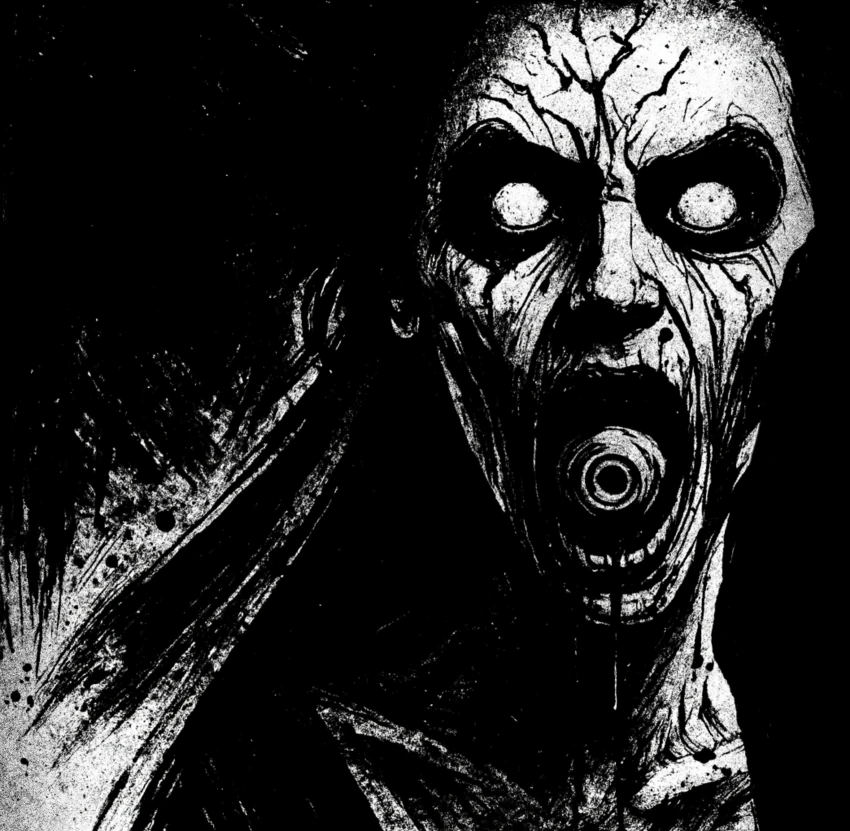
That's the version of this I think about when I'm drawing Church. He isn't frightening because he time-travels, and he isn't frightening because he takes over the dead to do it — those are mechanics. What's actually unsettling is the calm with which he treats both as logistics, the specific, patient, almost administrative way he moves through history wearing other people's faces, like a man checking items off a list that never gets shorter. You don't fear what Church can do. You fear how little it seems to cost him to do it.
That's the difference between a scare and a character, and it's the difference the whole Brooding Muse Universe is built to protect. A jump scare ends the second the noise stops. A character keeps existing in your head long after you've put the book down.
We don't remember the scares. We remember the ones who could have done it and chose to, calmly, like it was nothing.
Resident artist James Michael has helped shape the visual identity of The Brooding Muse Universe through his work on Dig Up! and The Jacket Book One, arriving early 2027.