
Cherry Bomb Comics PresentsThe Mechanism
Horror. Mythology. Storytelling. Exploring the ideas behind the worlds we build and the monsters we keep returning to.
The Ones Who Found
Each Other in the Dark
Every other genre tells you to leave the theater feeling better. Horror is the only one that lets you leave feeling understood.
Nobody apologizes for loving horror the way people apologize for other things they love too much. I think that's because horror was never trying to be liked by everyone in the first place, which is exactly why the people who do love it end up loving it so specifically, and so hard.
Every other genre is built to widen its audience. Horror is built to narrow it, on purpose, and then to make the people left standing inside that narrower circle feel like they were personally selected for it. That's not a marketing accident. That's the whole appeal. You don't stumble into horror fandom the way you stumble into liking a song on the radio. You find it, usually alone, usually a little too young for it, and it recognizes something in you before you've figured out how to say it out loud.
That's the part people outside the genre tend to miss. They think horror fans are drawn to the monster. Mostly, we're drawn to what the monster is standing in for — the thing that didn't fit, the kid who asked too many questions, the outsider who got proven right in the end even if nobody believed them until the last act. Horror has always been the genre that takes the misfit seriously. It hands them a flashlight instead of a punchline, and it trusts them to survive the night on their own terms.
So it makes sense that the people who love it built an entire culture out of finding each other. Conventions where a stranger in a patch-covered jacket is a friend you haven't met yet. Message boards that have outlived three redesigns of the internet around them. Collectors who can tell you the printing history of a book they've never even read, because owning it was never really about the story — it was about holding a piece of the thing that first told them they weren't broken, just built a little differently.
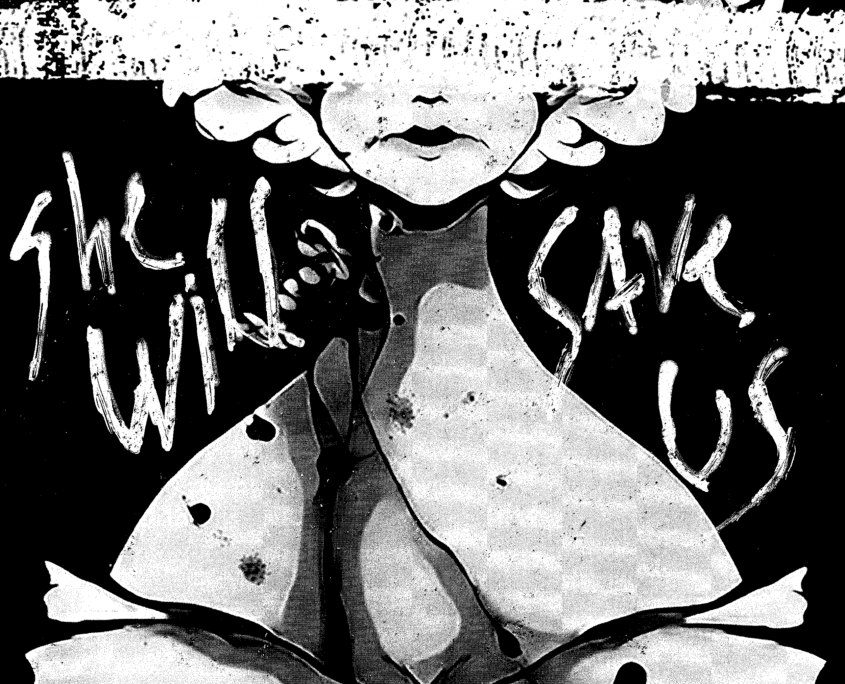
I think about that every time I sit down to draw someone new into this universe. The Brooding Muse Universe isn't populated by heroes in the traditional sense. It's populated by people who got left holding something too heavy for them, and kept walking anyway — survivors, defectors, the ones every other story would have written out in the first act. That's not a coincidence. That's an invitation.
That's why the tribe doesn't dissolve once the story ends. It never really was about the story. It was about the moment you realized someone else out there had been standing in the same dark, for the same reasons, waiting to see if anyone else would walk in.
We didn't find horror because it scared us. We found it because it was the first thing that didn't pretend we were fine.
Resident artist James Michael has helped shape the visual identity of The Brooding Muse Universe through his work on Dig Up! and The Jacket Book One, arriving early 2027.